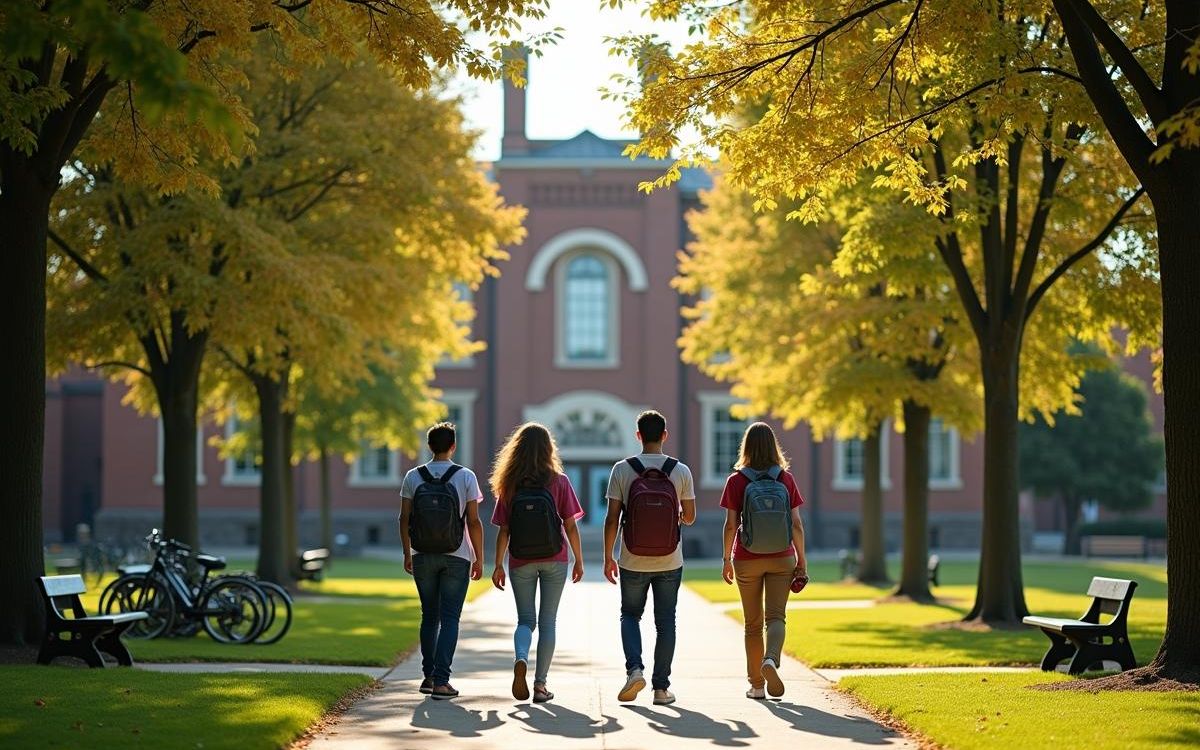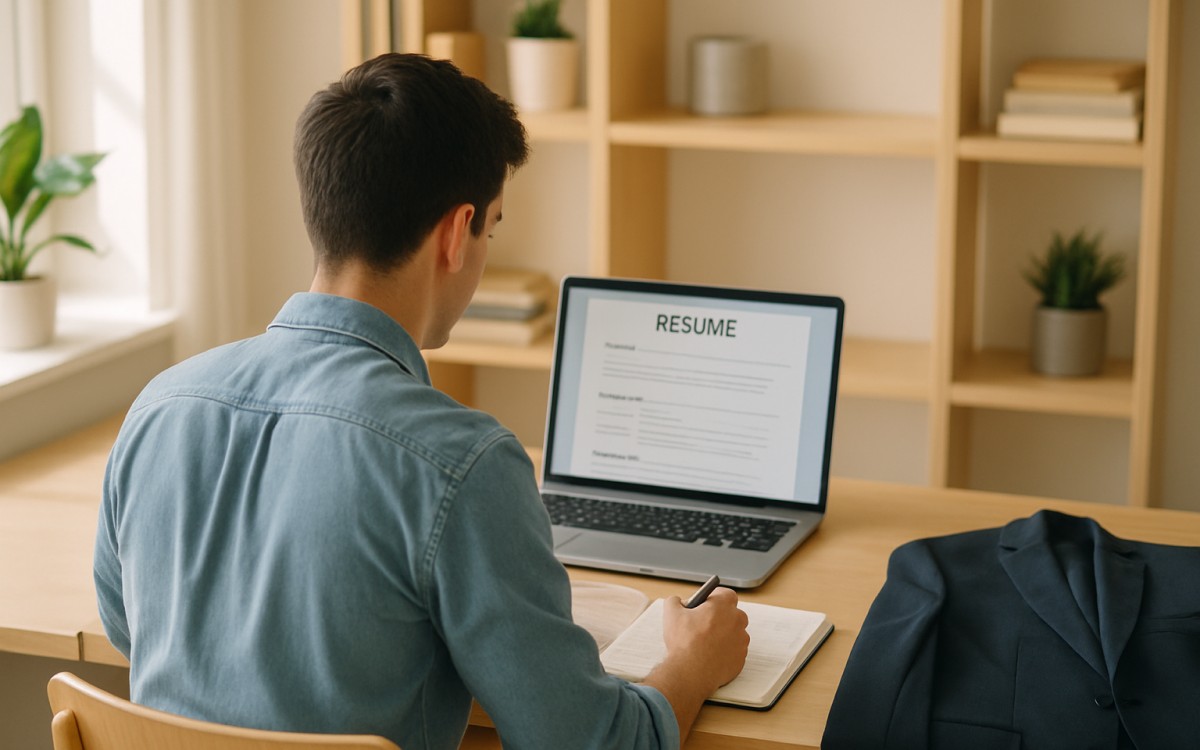
Stepping out of college and into the professional world can feel uncertain, even with strong academic results. Employers today look beyond degrees and focus on how well candidates can apply their knowledge in real situations. Practical skills play a major role in shaping career outcomes and improving recruitment success. Building these abilities early can make the transition from university to the workplace smoother, while also helping you stand out in competitive hiring processes across different careers.
Why Practical Skills Matter After College
A university degree provides theoretical knowledge, but employers expect graduates to demonstrate how that knowledge translates into action. Many organisations evaluate candidates based on how effectively they can solve problems, communicate ideas, and adapt to workplace expectations.
Recruitment teams often assess candidates through interviews, group discussions, and task-based evaluations. These stages are designed to measure real-world capabilities rather than academic memory. Developing practical skills ensures you are prepared not just to secure a role, but also to perform well in it.
1. Communication Skills
Clear Expression Builds Strong Impressions
Effective communication remains one of the most important skills across all careers. Employers value individuals who can express ideas clearly, whether through writing, speaking, or presentations.
Strong communication includes:
- Structuring thoughts logically
- Listening actively during conversations
- Adapting tone based on the audience
In professional environments, clear communication reduces misunderstandings and improves collaboration. Whether you are in a corporate role or a creative field, this skill directly impacts your career growth.
2. Problem-Solving Ability
Turning Challenges Into Opportunities
Workplaces often present unexpected situations that require quick thinking. Problem-solving involves analysing situations, identifying possible solutions, and making informed decisions.
This skill is particularly valued during recruitment because it reflects how well a candidate can handle pressure. Practical exposure through internships, projects, or case studies during college can strengthen this ability.
Employers prefer candidates who can approach problems methodically rather than relying solely on instructions.
3. Digital Literacy
Navigating Modern Work Environments
Most organisations rely heavily on digital tools, making digital literacy essential. This does not only mean basic computer usage but also familiarity with workplace technologies.
Key aspects include:
- Working with spreadsheets and presentations
- Using collaboration tools
- Managing digital data responsibly
Students from universities who develop these skills early often find it easier to adapt to professional environments, regardless of the industry.
4. Time Management
Managing Work Efficiently
Balancing multiple tasks is a common requirement in any career. Time management helps you prioritise responsibilities and meet deadlines without compromising quality.
Effective strategies include:
- Setting realistic goals
- Breaking tasks into manageable steps
- Avoiding unnecessary delays
Graduates who demonstrate good time management during recruitment processes are often seen as reliable and organised professionals.
5. Adaptability
Responding to Change With Confidence
Work environments evolve quickly due to technological and organisational changes. Adaptability reflects your ability to adjust to new tools, roles, or expectations.
During recruitment, employers look for candidates who can:
- Learn new skills quickly
- Adjust to team dynamics
- Handle unexpected changes
An adaptable mindset helps you stay relevant across different careers and industries.
6. Teamwork and Collaboration
Working Effectively With Others
Most roles require interaction with colleagues, clients, or stakeholders. Teamwork involves contributing ideas, respecting diverse perspectives, and working towards shared goals.
Collaborative skills developed during college projects or group assignments can translate well into professional settings. Employers often assess this ability through group discussions and team-based tasks during recruitment.
Strong collaboration improves productivity and creates a positive work environment.
7. Critical Thinking
Making Informed Decisions
Critical thinking involves analysing information objectively and making logical decisions. It goes beyond memorising facts and focuses on evaluating different perspectives.
This skill is valuable in:
- Decision-making processes
- Identifying risks and opportunities
- Interpreting complex information
Graduates who demonstrate critical thinking are often better equipped to handle responsibilities independently, making them attractive candidates during recruitment.
8. Networking Skills
Building Meaningful Professional Connections
Networking is not limited to experienced professionals. Students and recent graduates can benefit significantly from building connections during their education.
Practical ways to develop this skill include:
- Attending seminars and workshops
- Engaging with alumni from universities
- Participating in professional communities
Strong networks can provide insights into careers, industry trends, and job opportunities. It also improves visibility during the hiring process.
9. Emotional Intelligence
Managing Emotions in Professional Settings
Emotional intelligence refers to the ability to understand and manage your own emotions while recognising those of others. This skill plays a crucial role in workplace interactions.
Key elements include:
- Self-awareness
- Empathy
- Conflict management
Employers value candidates who can maintain professionalism under pressure and contribute positively to team dynamics. Emotional intelligence supports long-term career success.
10. Practical Industry Exposure
Bridging the Gap Between Education and Work
Hands-on experience is one of the most effective ways to improve employability. Internships, part-time roles, and live projects allow students to apply their education in real-world scenarios.
This exposure helps you:
- Gain industry-specific knowledge
- Build confidence in professional settings
- Understand workplace expectations
Candidates with practical experience often have an advantage during recruitment because they require less training and can contribute more quickly.
How Colleges and Universities Can Support Skill Development
Institutions play an important role in preparing students for careers. Many colleges and universities now focus on integrating practical learning into their programmes.
Common approaches include:
- Industry collaborations
- Skill-based workshops
- Internship opportunities
Such initiatives help students transition from education to employment more effectively. Choosing a college or university that prioritises practical skills can significantly influence career outcomes.
Connecting Skills to Long-Term Career Growth
Developing practical skills is not only about getting hired. These abilities continue to shape your career progression over time. As roles evolve, professionals who adapt and expand their skill sets remain competitive.
Employers increasingly value continuous learning and the ability to apply knowledge in different contexts. Building these skills early ensures a strong foundation for long-term success across various careers.
Academic achievements remain important, but practical skills determine how effectively you can apply your education in real-world situations. From communication and problem-solving to adaptability and emotional intelligence, each skill contributes to your overall employability. By focusing on these areas during college and beyond, you can improve your chances of success in recruitment processes and build a stable, rewarding career in any industry.