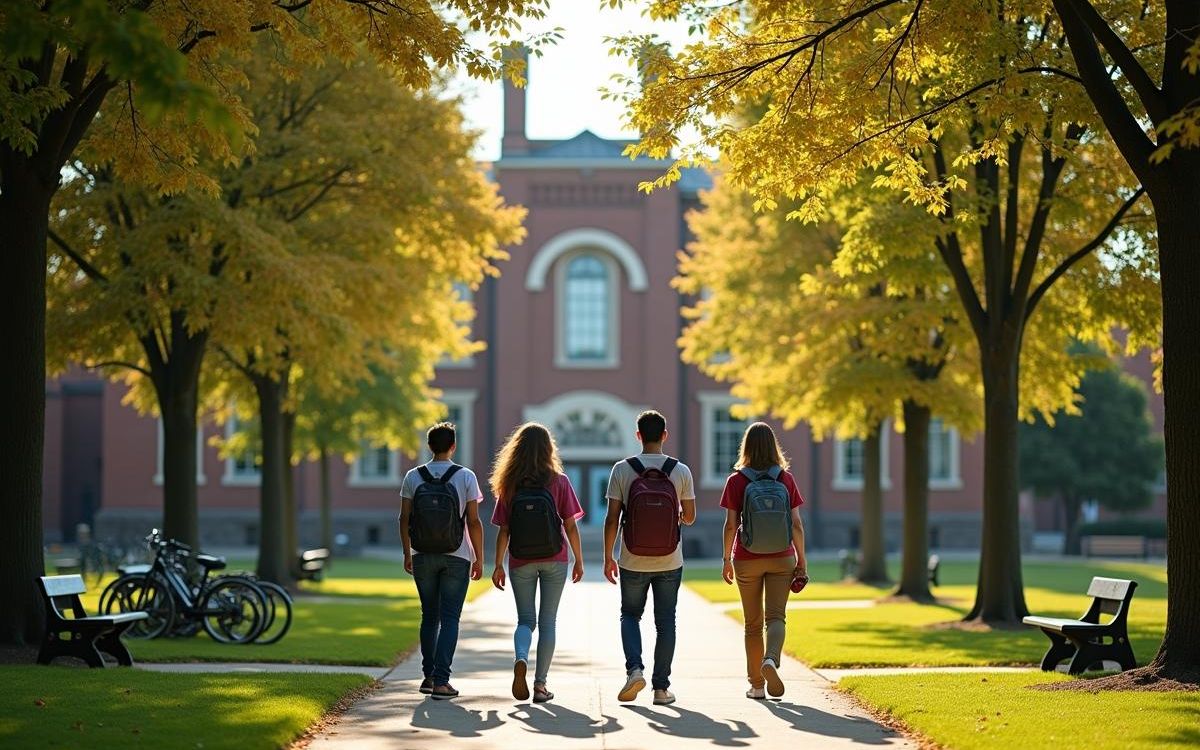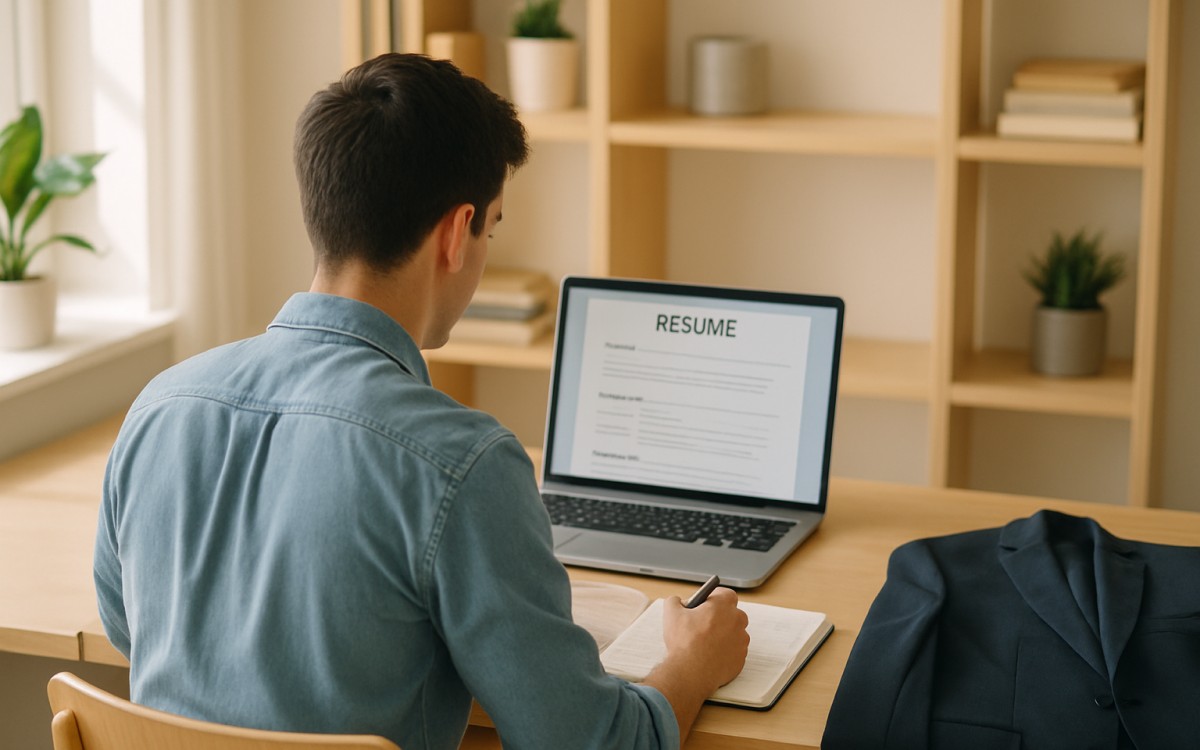
College is far more than lecture halls, assignments and exams. It is the place where you slowly figure out how the real world works—often without even realising it. Between balancing classes, friendships, deadlines and new responsibilities, you begin to grow in ways that shape your adult life. The lessons and skills you pick up in colleges and universities don’t just prepare you for careers; they prepare you for life itself.
Time Management
In school, your day is neatly planned. In college, however, your schedule suddenly becomes your responsibility. Some lectures may be optional, assignment deadlines creep up quickly and social plans are always tempting. At first, it feels like freedom—until everything piles up at once.
That’s when you start learning the art of prioritising. You figure out how to plan your study hours, complete projects on time and still make space for friends and social activities. Slowly, you realise that managing time is not about being busy; it’s about being organised.
This skill becomes incredibly useful in adult life. Whether you are handling multiple tasks at work, preparing for recruitment interviews, or balancing professional and personal commitments, the time-management habits you built in college stay with you.
Communicate and Interpersonal Skills
College campuses bring together students from different cities, cultures and backgrounds. In classrooms, group projects and college festivals, you constantly interact with people who think differently from you.
At first, coordinating with others on assignments can feel challenging. You may disagree on ideas, struggle to divide responsibilities, or deal with last-minute surprises. But over time, you learn how to express your views clearly, listen patiently and find common ground.
You also gain confidence through presentations, seminars and everyday discussions with professors and classmates. Without realising it, your communication becomes clearer and more effective.
Later, in your career, this becomes one of your strongest assets. Recruiters and employers value people who can express ideas confidently, collaborate with teams and build professional relationships. Even in personal life, good communication helps you avoid misunderstandings and build stronger connections.
Problems-Solving and Critical Thinking
College life is full of small and big challenges. You might struggle with a difficult subject, deal with group members who don’t cooperate, or face unexpected schedule changes. Unlike school, you cannot always rely on someone else to fix things for you.
So, you adapt. You begin analysing situations, looking for solutions and making decisions on your own. You learn to research, ask questions and think critically instead of simply memorising information.
This ability to solve problems becomes extremely valuable once you step into professional life. Employers prefer candidates who can think independently and handle challenges calmly. Whether it is a workplace issue, a financial decision, or a personal dilemma, your problem-solving mindset helps you stay confident and composed.
Financial Responsibility
For many students, college is the first time you start handling your own expenses. Managing rent, travel costs, books, food and social outings teaches you budgeting in the most practical way.
You begin to understand the difference between spending for comfort and spending unnecessarily. If you take up part-time work, internships, or freelance projects during your education, you also experience the effort required to earn money. That changes how you view expenses.
These lessons stay with you long after university life ends. As an adult, you become more mindful about savings, investments and financial planning. You learn to balance enjoyment with responsibility, which is an essential life skill.
Independence and Self-Reliance
College marks the beginning of adulthood. Whether you move to another city or continue living at home, you start taking responsibility for your decisions. From waking up on time to meeting deadlines and managing your routine, everything depends on you.
If you live away from family, independence becomes even more real. You learn to cook simple meals, manage laundry, travel alone and adjust to new environments. Initially, these tasks may seem overwhelming, but they gradually build confidence and self-reliance.
This independence prepares you for the future. In your career, you are expected to take initiative, handle responsibilities and work without constant supervision. The confidence you develop during your college years makes this transition smoother.
Learn to Adapt to Unplanned Circumstances
Life in universities rarely goes exactly the way you expect. Timetables change, projects get postponed, internships fall through and plans often shift at the last moment. While this can be frustrating, it quietly teaches you adaptability.
You learn to stay flexible and adjust without losing focus. You become more open to change and less anxious when things don’t go according to plan.
This adaptability proves invaluable in professional life. Workplaces evolve, industries change and new technologies emerge constantly. Being able to adjust quickly gives you an advantage in your career and helps you remain relevant.
Handling Failure
Not every exam goes well. Not every application gets selected. Not every plan succeeds. College teaches you how to deal with setbacks without losing motivation.
At first, failures can feel discouraging. However, you slowly understand that they are part of growth. You learn to identify mistakes, improve your approach and try again with better preparation.
This resilience becomes one of your greatest strengths in adult life. Whether facing job rejections, workplace pressure, or personal challenges, your ability to bounce back helps you move forward with confidence.
Continuous Learning and Growth Mindset
One of the most important things education gives you is curiosity. College encourages you to explore new ideas, question assumptions and keep learning beyond textbooks.
You attend workshops, participate in seminars, join clubs and discover interests outside your core subjects. This builds a mindset that learning never truly stops. This habit gives you an edge. Continuous learning helps you upgrade skills, explore new career paths and remain competitive.
Final Thoughts
College is not just a phase where you earn a degree—it is where you quietly develop skills that shape your future. The lessons you learn in colleges and universities go far beyond academics. They teach you how to manage time, communicate effectively, solve problems, handle money, adapt to change and become independent.
So, while your education prepares you for a career, your college experiences prepare you for life as a confident and capable adult. And often, those life lessons become your greatest qualification.