
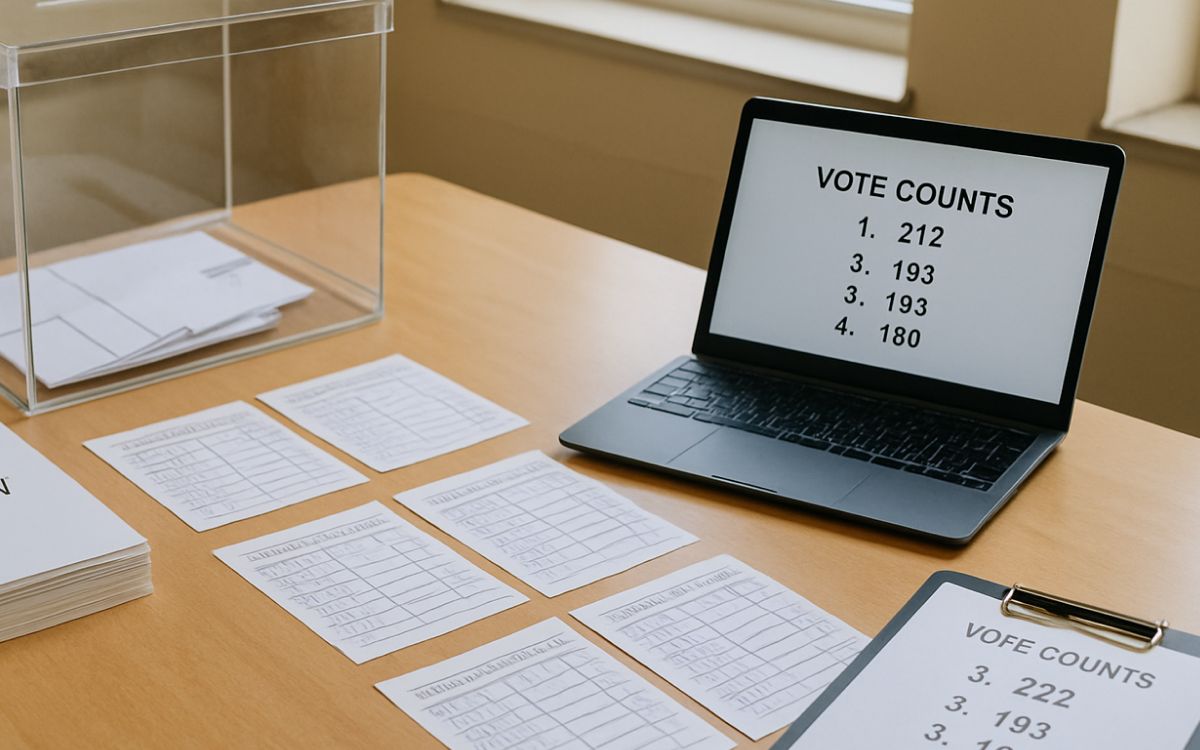
Elections are the backbone of representative governance, giving citizens the power to shape leadership through their vote. A well-designed voting system ensures fairness, accuracy, and transparency at every stage of the electoral process. From casting ballots to counting methods and final results, each step follows structured procedures. By exploring how voting systems work, readers can appreciate the mechanisms that protect every vote and maintain trust in democratic institutions across diverse regions and populations.
The Purpose of a Voting System
A voting system is a structured method used to collect and count votes in order to determine outcomes in elections. It ensures that each vote is recorded correctly and contributes to the final result. Effective systems are built on principles of equality, reliability, secrecy, and transparency.
In large and diverse populations, a robust electoral process allows smooth coordination across regions, languages, and communities. Clear rules and standardized procedures help avoid confusion while enabling efficient participation. The ultimate goal is to ensure that every eligible citizen can cast a vote confidently and that results reflect the will of the electorate.
Types of Ballots Used in Elections
Ballots are the primary tools through which voters express their choices. There are two main types commonly used:
Paper Ballots
Paper ballots are physical documents listing candidates or options. Voters mark their preference using a pen or stamp. After voting, ballots are securely stored in sealed boxes until counting begins. Paper ballots provide a tangible record and are often appreciated for their simplicity and auditability.
Electronic Voting Machines (EVMs)
Electronic systems allow voters to press a button corresponding to their preferred candidate. These machines are designed to minimize invalid votes and speed up the counting process. Many systems also include a voter-verified paper trail, allowing confirmation of the recorded vote while maintaining secrecy.
Both ballot methods aim to ensure that each vote remains confidential and accurately captured.
Voter Registration and Preparation
Before casting a vote, eligible citizens must complete voter registration. This process confirms identity and eligibility based on established criteria such as age and residency. Electoral rolls are then prepared, listing registered voters within specific constituencies.
Polling stations are set up in accessible locations such as schools, community halls, and public buildings. Trained officials oversee the process, verify identities, and guide voters. Strict procedures are followed to prevent duplication and maintain orderly participation.
Preparation also includes awareness campaigns encouraging citizens to vote and explaining how ballots function. Clear communication strengthens participation and reduces errors on polling day.
The Voting Process on Election Day
On election day, voters visit their assigned polling station. After identity verification, they receive access to the ballot. Secrecy is a core feature of the process. Voting compartments ensure privacy, allowing individuals to mark their vote without influence.
Once the vote is cast, the ballot is either placed in a sealed box or electronically recorded. Indelible ink or digital tracking may be used to prevent repeat voting. Polling stations operate during fixed hours, after which they close and secure all materials for counting.
The orderly conduct of polling day ensures that every vote is safely collected and ready for tabulation.
Counting Methods Explained
Counting methods vary depending on the electoral system adopted. The most common method is the First-Past-The-Post (FPTP) system. In this system, the candidate receiving the highest number of votes in a constituency wins, even if the total is not a majority. This method is simple and allows quick results.
Another approach is proportional representation, where seats are allocated based on the percentage of votes received by parties or candidates. This method aims to reflect overall voter preference more closely across larger regions.
Some systems use ranked-choice voting, where voters rank candidates in order of preference. If no candidate receives a majority, the candidate with the fewest votes is eliminated, and their votes are redistributed according to second preferences. This continues until a winner emerges.
Each counting method has structured rules to ensure fairness and clarity in declaring results.