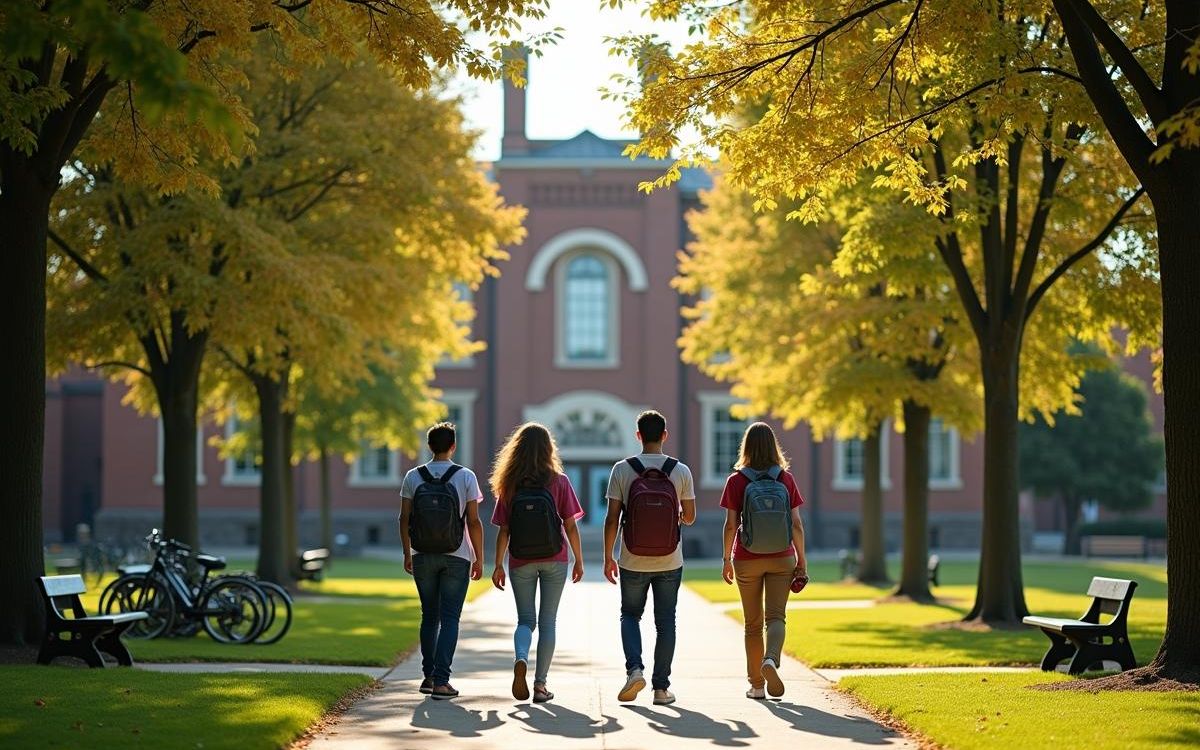
Choosing a college or a university is one of the most defining decisions in a person’s academic journey. It sets the tone for their professional path, influences their personal growth, and establishes the foundation for opportunities ahead. The right institution offers not just education, but exposure, skill development, and a sense of direction that can transform aspirations into accomplishments.
The Foundation of Career Success
A college shapes more than just academic knowledge; it molds perspective, discipline, and ambition. When a student selects an institution aligned with their interests and goals, they invest in an environment designed to nurture talent and provide relevant experiences. Whether one dreams of becoming a business leader, technologist, designer, or healthcare professional, the college they attend influences how effectively they turn that dream into reality.
Institutions with strong academic frameworks, updated curricula, and industry linkages ensure that students are not just qualified, but also employable. A balanced education system focusing equally on theory and practical application often gives graduates an edge in competitive job markets.
Academic Excellence and Curriculum Relevance
One of the most crucial aspects of choosing a college is academic rigor. A well-structured curriculum helps students develop conceptual clarity while gaining exposure to real-world applications. Colleges with experienced faculty members, advanced resources, and research opportunities allow learners to deepen their knowledge and innovate within their field.
Additionally, many high-ranking colleges maintain partnerships with industries and startups to update course content regularly. This ensures that what students learn aligns with evolving market needs. For instance, technical institutions emphasize modern domains like data science, artificial intelligence, and cybersecurity, while commerce colleges increasingly include entrepreneurship and financial analytics in their syllabi.
Infrastructure and Learning Resources
State-of-the-art infrastructure can greatly enhance the learning experience. Beyond lecture halls, facilities such as digital libraries, advanced laboratories, incubation centers, and collaborative workspaces help students explore new dimensions of learning.
Moreover, colleges that invest in technology-enabled education make it easier for students to access diverse materials, attend hybrid classes, and develop digital literacy – a skill highly valued in almost every profession today. Modern learning tools encourage curiosity and independent thinking, fostering a culture of innovation.
The Role of Faculty and Mentorship
A college’s teaching staff plays a significant role in shaping student outcomes. Good mentors not only impart knowledge but also guide students through academic, professional, and personal decisions. Faculty members with research experience, industry exposure, or international teaching backgrounds bring valuable insights into classroom discussions.
Effective mentorship helps students identify their strengths and align them with suitable career paths. Regular interaction with faculty members builds confidence and encourages critical thinking. In many cases, professors become lifelong advisors who influence a graduate’s approach to problem-solving and leadership.
Industry Exposure and Internship Opportunities
In today’s job market, practical experience matters as much as theoretical learning. Colleges that focus on experiential education, through internships, live projects, and industrial visits, prepare students for real-world challenges.
Internships, in particular, allow learners to apply classroom knowledge, build networks, and evaluate their career interests. Many institutions have dedicated placement cells that maintain relationships with major companies, ensuring that students have access to internship and job opportunities before graduation.
Such exposure often shortens the learning curve when entering the workforce and helps in securing better initial placements.
Networking, Alumni, and Professional Growth
Networking is an underrated but powerful outcome of the college experience. Colleges with a strong alumni base provide students with access to professionals who can mentor, recommend, or collaborate on future endeavors. Alumni often return to their institutions to conduct workshops, recruitment drives, and guest lectures, helping current students understand industry expectations and trends.
Furthermore, events such as seminars, tech fests, and cultural competitions expose students to teamwork, communication, and leadership. These soft skills are essential for long-term career success, complementing technical proficiency with the ability to collaborate effectively in dynamic workplaces.
Placement Track Record and Employability
Another critical factor in evaluating a college is its placement performance. Institutions that consistently produce employable graduates usually have strong corporate relationships, well-trained placement coordinators, and efficient campus recruitment support.
Prospective students should look into placement statistics, average starting salaries, and diversity of recruiters. Colleges partnered with global companies or startups indicate a broad employability spectrum. While prestige can open doors, consistent placement support ensures sustainability and career security.
Equally important is the focus on pre-placement training. Resume-building sessions, mock interviews, and personality development workshops equip students with the confidence to handle selection processes professionally.
Holistic Development Beyond Academics
The right choice of college brings more than educational outcomes, it fosters personal and emotional growth. Institutions that support extracurricular activities, cultural clubs, and volunteer programs enable students to express creativity and develop social responsibility.
Leadership roles in student organizations, participation in debates, theatre, or community service add character and adaptability. This holistic learning nurtures confidence and resilience, qualities that employers admire as much as technical expertise.
Additionally, participation in sports and fitness initiatives encourages discipline and stress management, both essential for maintaining balance throughout one’s career.
The Power of Location and Environment
Location can influence exposure and lifestyle. Colleges situated in education or industrial hubs create more networking and internship opportunities. Students can attend conferences, connect with experts, and explore diverse cultural experiences that enrich their worldview.
On the other hand, campuses in quieter regions may provide an atmosphere suited for focused study and research. The ideal environment depends on the student’s personality and goals, a bustling city campus might suit an aspiring entrepreneur, while a serene campus could better serve a budding scientist or writer.
Financial Considerations and Scholarships
While academic quality is vital, financial planning cannot be overlooked. Understanding tuition fees, accommodation costs, and scholarships helps students make realistic and sustainable decisions.
Many colleges offer merit-based, need-based, or sports scholarships to reduce the financial burden. Some institutions also collaborate with education lenders to support students in pursuing their chosen programs without compromise.
Balancing financial feasibility with academic value ensures that learners can focus fully on their studies and extracurricular growth, rather than constantly worrying about expenses.
Reputation and Global Recognition
A well-reputed college doesn’t just look good on a resume, it speaks to the credibility of its programs and the competence of its graduates. Institutions recognized by national accreditation bodies or international organizations enhance graduates’ employability not only locally but also abroad.
However, reputation should be assessed through genuine quality indicators: faculty credentials, research output, student feedback, and employer satisfaction. Choosing a college based solely on prestige can be misleading if it doesn’t align with a student’s intended career path.
Personal Fit: Interest, Vision, and Comfort
Finally, the best college is not always the most popular one, it’s the one that fits a student’s individual aspirations. Factors such as preferred teaching style, class size, campus culture, and program specialization greatly influence satisfaction and performance.
A prospective student should evaluate whether the college aligns with their values and vision. Talking to alumni, attending campus tours, and reviewing course syllabi can provide valuable insight before committing.
It’s not just about where one studies, but how that environment inspires growth and fuels long-term ambitions.
A well-informed choice of college acts as the cornerstone of a successful career. It influences knowledge, skill-building, network development, and personality growth, all vital elements for professional success. Careful research, introspection, and guidance from mentors can make the decision both meaningful and rewarding, turning college life into a transformative launchpad for lifelong success.