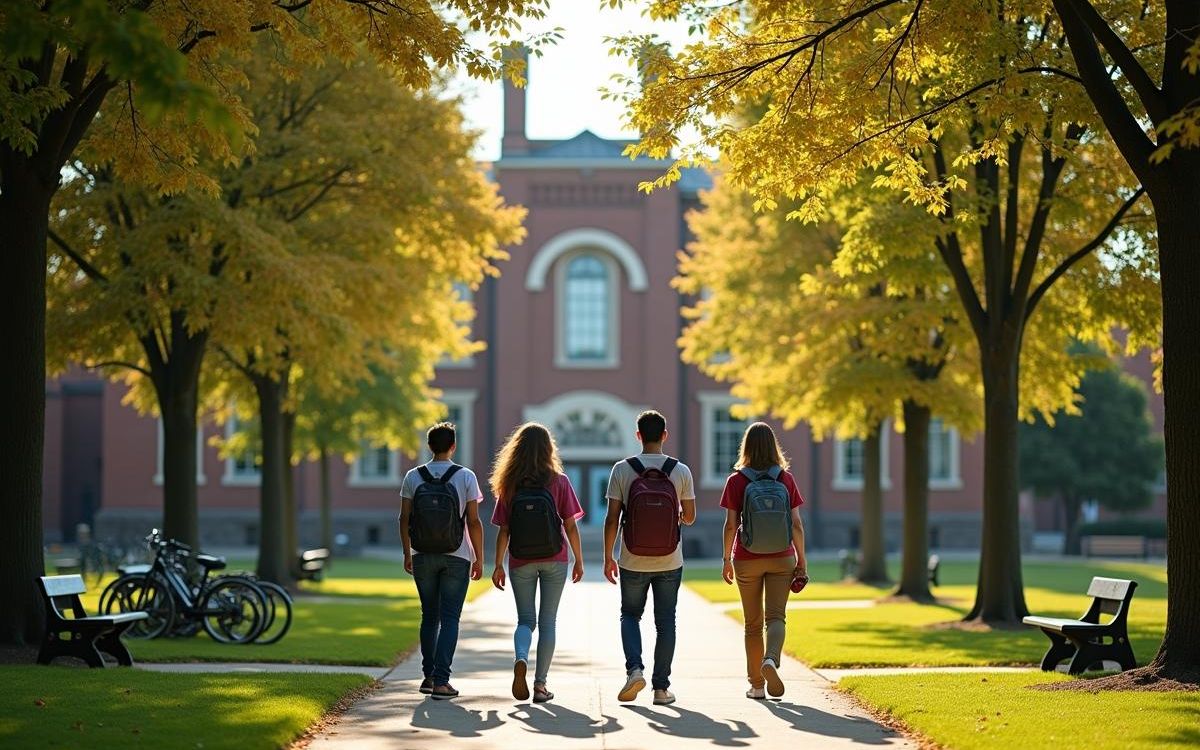
Campus placement season is one of the most emotionally charged periods in a student’s college life. When your peers receive offers, and your name is not on the list, the disappointment can feel overwhelming and deeply personal. It can feel like a verdict on your worth, your education, and your future. But a campus rejection is not a verdict. It is a moment, and moments pass. What you do next matters far more than what just happened.
Understanding What Campus Placements Actually Measure
Before internalising a placement rejection, it is worth stepping back and understanding what campus recruitment processes are actually designed to assess. Most college placement drives are structured to identify candidates who meet a specific set of criteria defined by the hiring company at that point in time. These criteria may include a particular skill set, a minimum academic score, a specific branch of study, or even a personality profile that fits the company’s current team culture.
Not being selected does not mean you are unqualified, unintelligent, or unprepared for a career. It often simply means that you did not match the precise requirements of that particular company on that particular day. Recruitment is a filtering process, and filters are never a complete measure of a person’s potential.
The Gap Between Campus Recruitment and the Real Job Market
One of the most important things a student who has not been placed needs to understand is that campus recruitment represents only a small slice of the total job market. The companies that visit colleges for placement drives are a curated selection, and many of the most exciting and rewarding career opportunities exist entirely outside of the campus recruitment ecosystem.
Startups, small and medium enterprises, government organisations, non-profits, freelance markets, and international remote opportunities are all avenues that campus drives may not necessarily touch. The real job market is vast, and campus recruitment is just one narrow entry point into it.
Treating This Moment as a Career Clarity Opportunity
A placement rejection, as difficult as it feels, can be one of the most clarifying experiences of your early adult life. When the structured pathway of campus recruitment does not work out, you are suddenly free to ask yourself questions that many placed students never have to confront: What do I actually want to do? What kind of work energises me? What kind of environment do I want to grow in?
These are not easy questions, but they are enormously valuable ones. Students who take the time to answer them honestly often end up building more intentional and fulfilling careers than those who accept the first offer that came their way simply because it was available during placement season.
Use this period to reflect on your strengths, revisit your interests, and think seriously about what a meaningful career looks like for you. Your education has given you more than a degree. It has given you the thinking skills, the subject knowledge, and the foundational capabilities to build something worth building.
Practical Steps to Take After a Campus Rejection
The period immediately following a placement rejection is best spent in focused, purposeful action rather than extended self-doubt. Here are some of the most effective steps you can take.
Update and Strengthen Your Resume
Take an honest look at how you are presenting yourself on paper and make improvements. Seek feedback from a career counsellor, a mentor, or a professional in your target field if possible.
Build Skills That Are in Demand
Identify the gap between where you are and where you need to be for the roles you are targeting, and address that gap through online courses, certifications, internships, or personal projects. Many universities and education platforms offer affordable upskilling options that can meaningfully strengthen your profile within months.
Start Applying Directly
Do not wait for another structured recruitment cycle. Research companies you are genuinely interested in, find the right contact points, and send thoughtful, tailored applications. Many organisations hire on a rolling basis throughout the year and do not rely exclusively on campus recruitment drives to find talent.
Network With Intention
Connect with alumni from your college who are working in fields you are interested in. Reach out to professionals on professional networking platforms with genuine curiosity and respect for their time. Referrals and personal connections open doors that cold applications sometimes cannot.
The Role of Further Education
For some students, a campus placement rejection prompts a serious reconsideration of their educational path. Pursuing a postgraduate degree, a professional certification, or a specialised programme can be a genuinely strategic decision if it aligns with a clear career goal rather than being a way of simply delaying the job search.
Many universities in India and abroad offer postgraduate programmes that significantly enhance employability in specific fields. An MBA, a master’s degree in a technical discipline, or a professional qualification in law, finance, or design can open doors that an undergraduate degree alone may not. The key is to pursue further education with a clear purpose rather than as a default response to not being placed.
Redefining What Success Looks Like at This Stage
The pressure around campus placements in Indian colleges is real and intense, and much of it comes from the social weight attached to being placed versus not being placed. As a young adult entering the professional world, one of the most important mindset shifts you can make is to separate your sense of self-worth from a single recruitment outcome.
Careers are long. The professional you will be at thirty-five looks almost nothing like the student who sat in a placement interview at twenty-one. The rejections, the pivots, the unexpected opportunities, and the lessons learned along the way are all part of what shape a meaningful career over time.
Conclusion
A campus placement rejection is a setback, not a sentence. Colleges provide the foundation, but careers are built over years of effort, learning, and persistence that extend far beyond a single recruitment season. The students who ultimately build the most rewarding careers are not always the ones who got placed first. They are the ones who refused to let a single outcome define their direction and kept moving forward anyway.